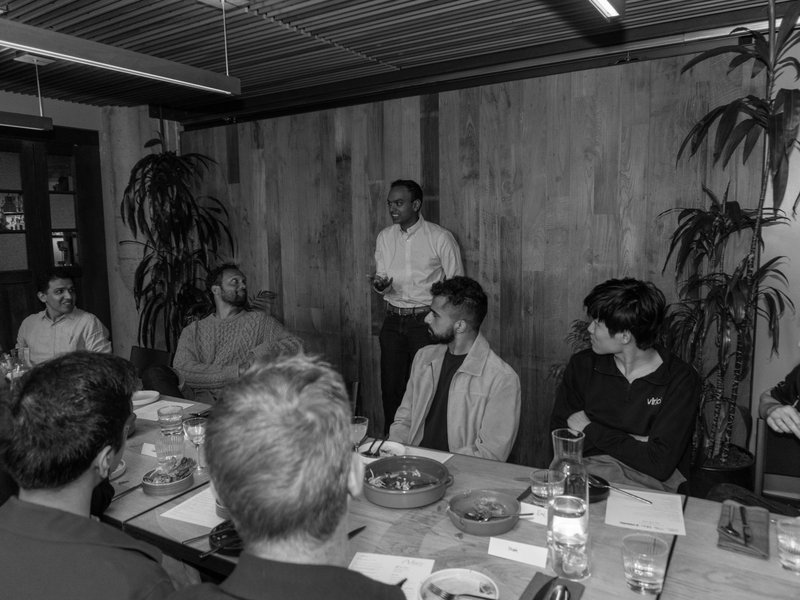
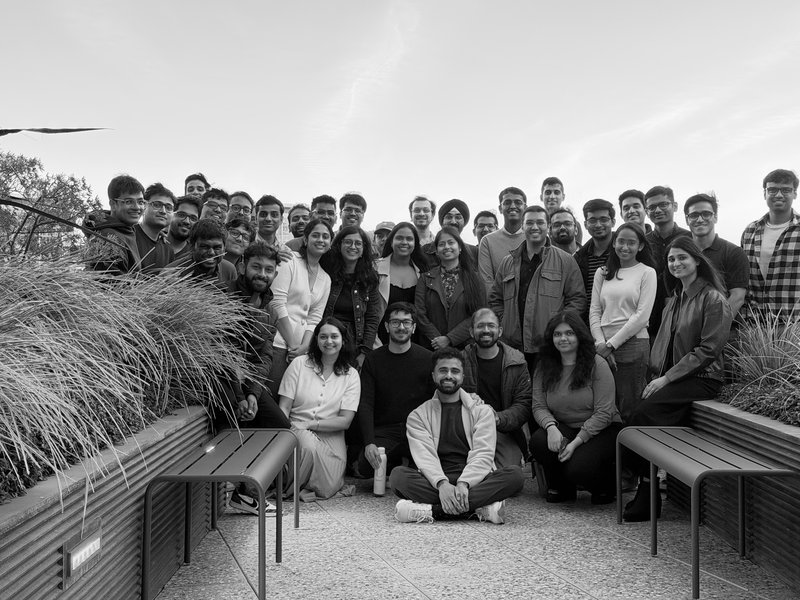

The story so far

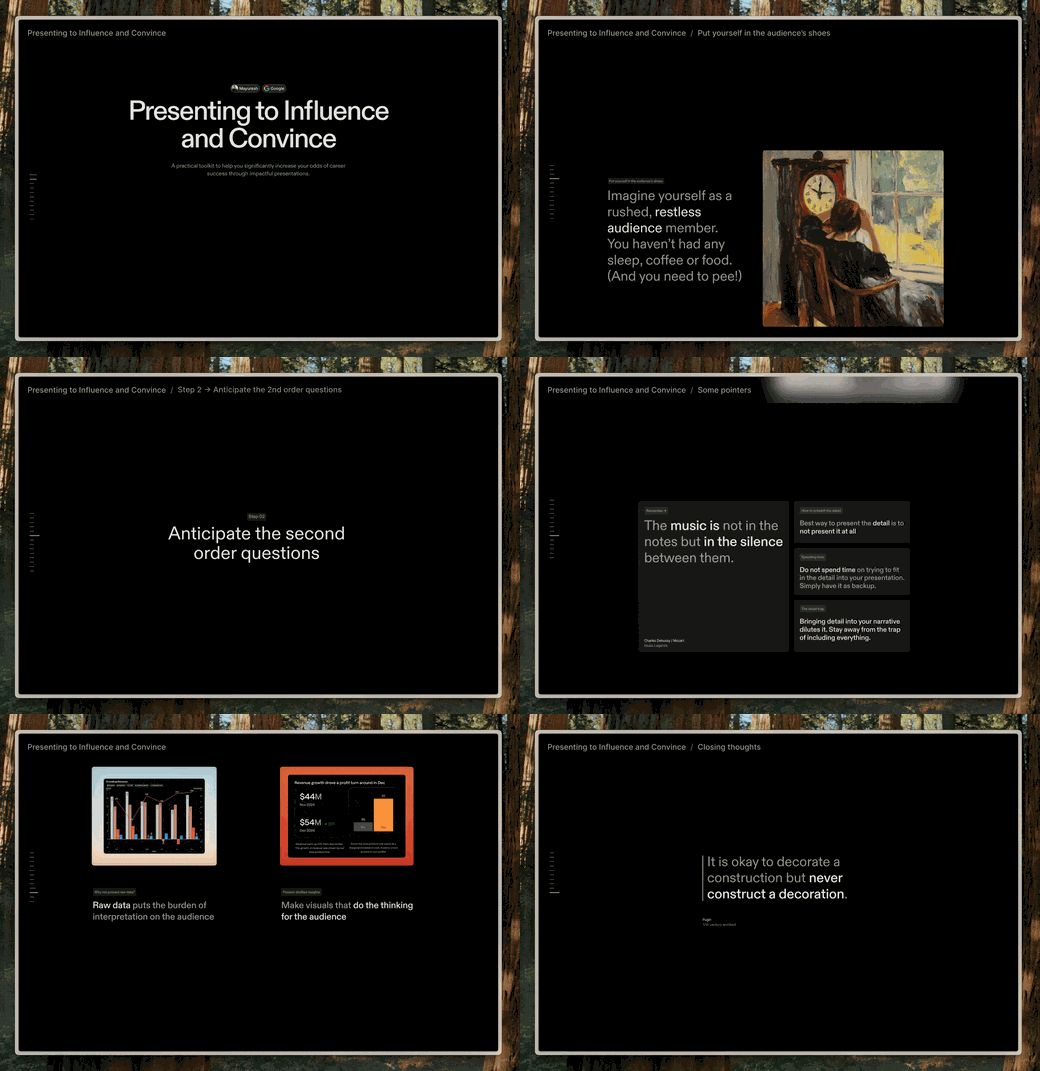
Founder at  , an AI-native presentation tool. Think Cursor, but for slides. The thesis is simple: how you present something matters as much as what you're presenting. You bring the thinking, Chronicle handles the structure and design.
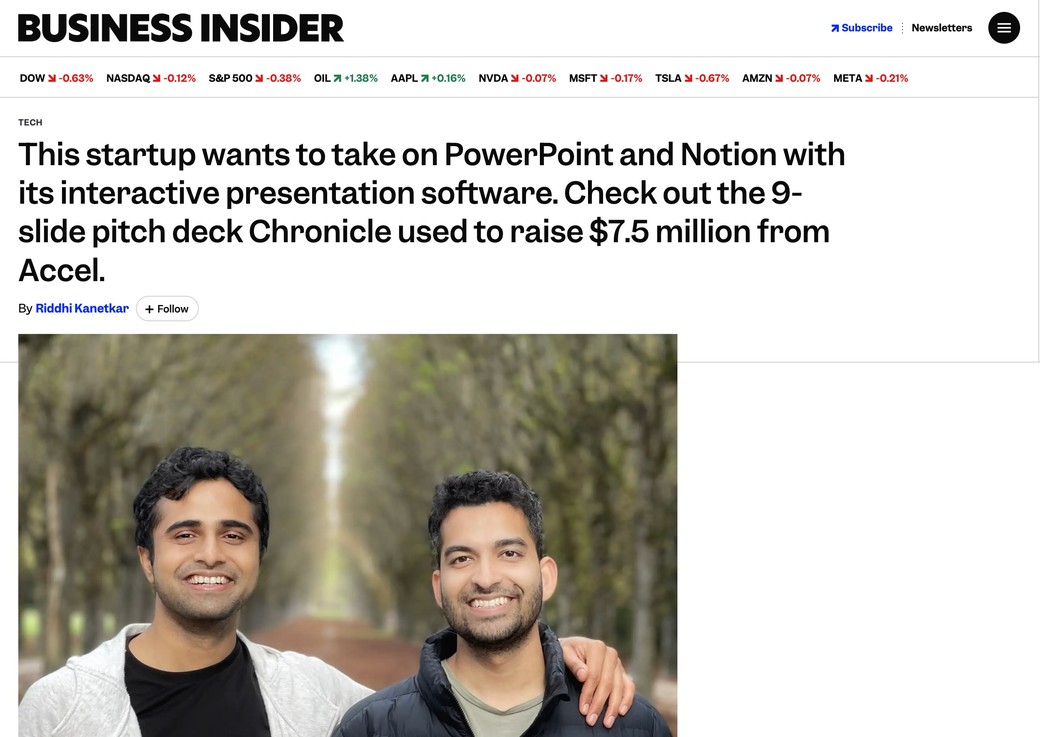
Accel led one of the largest rounds ( ) of its time, and we brought on stellar angels from Google, Slack, Stripe, and Atlassian. We've since grown the team to 25 across San Francisco, Australia, and India, and the next chapter of Chronicle is taking shape (update: exit in H2'26).
On GTM and product, I'm obsessed with the  of a user's experience. They need to feel the difference immediately, enough to place Chronicle in their workflow so that the next time a high-stakes deck comes up, it's the first tool they reach for. Not a marginal improvement. A 10x upgrade over whatever they were using.
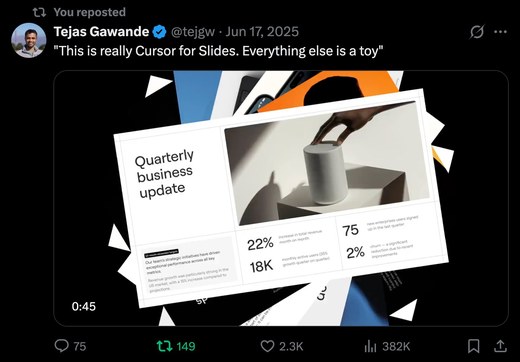
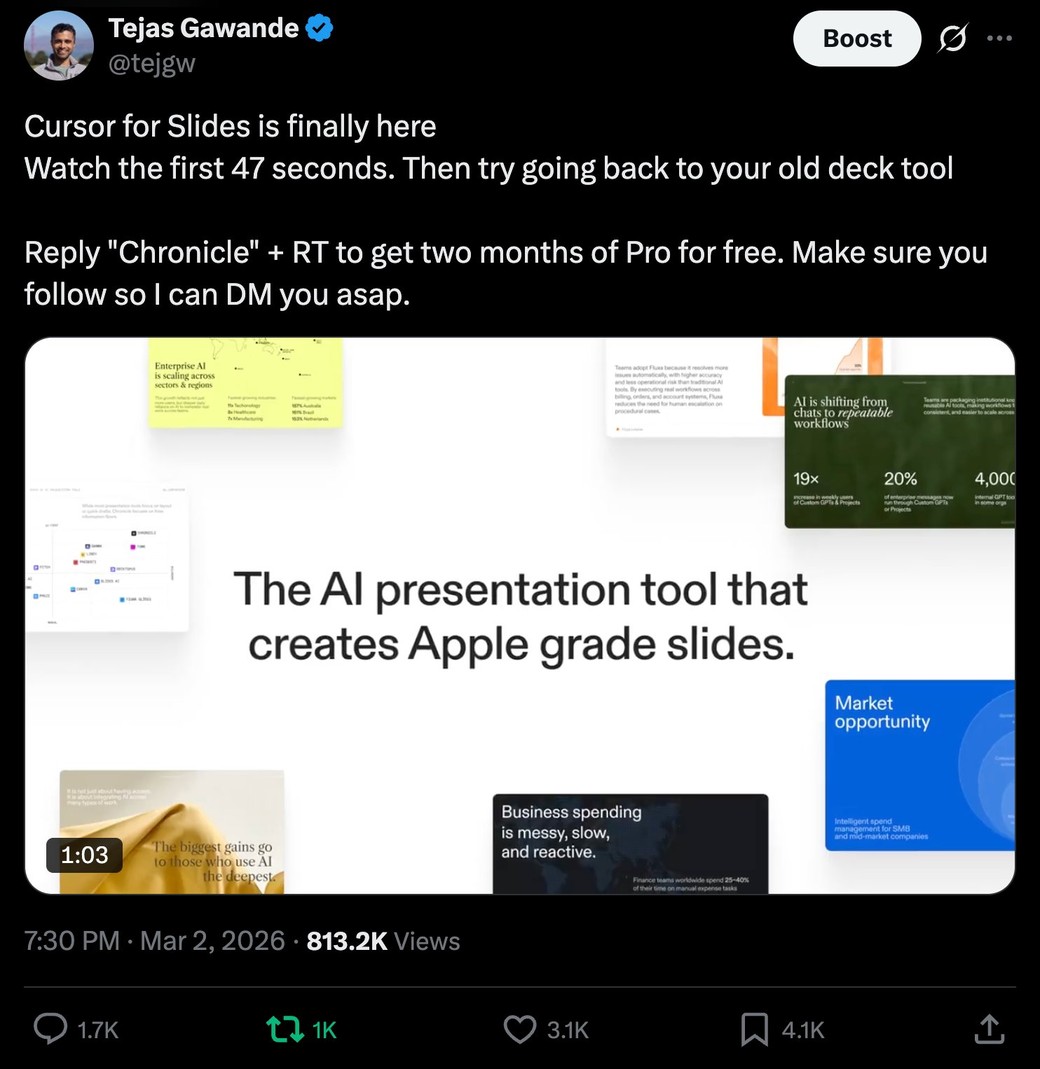
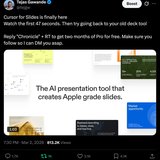
That obsession showed up in the results. We went viral with our  , then again with
  , and earned
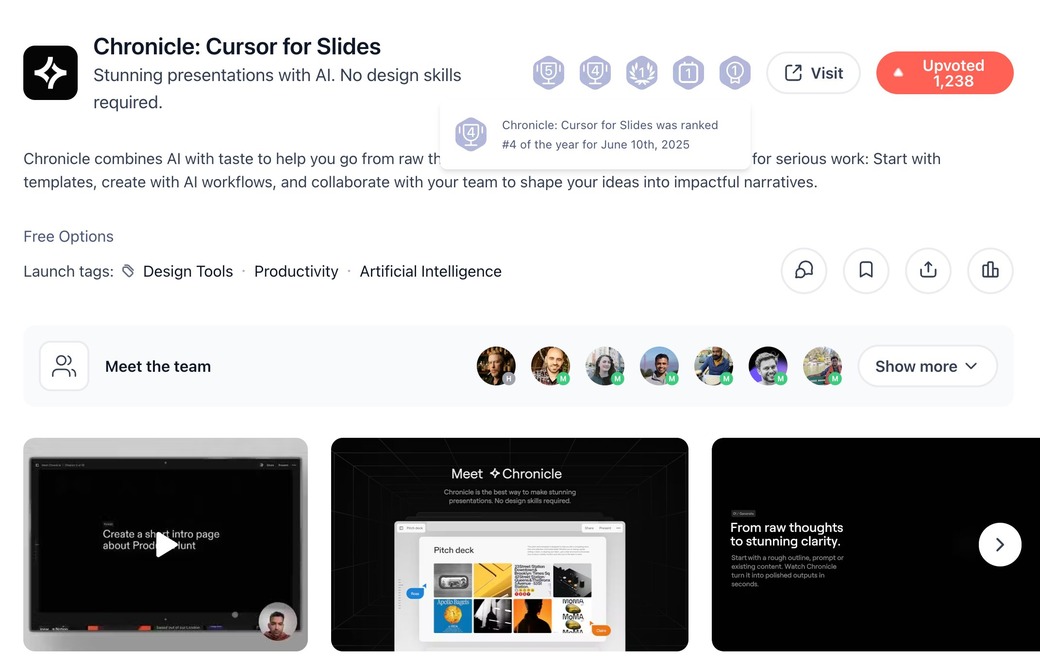
  on Product Hunt, up against products like Notion, Cursor and Lovable. Hundreds of thousands of users and thousands of world-class teams now rely on Chronicle for their highest-stakes work, including OpenAI, Vercel, Figma, Ramp, and HubSpot.
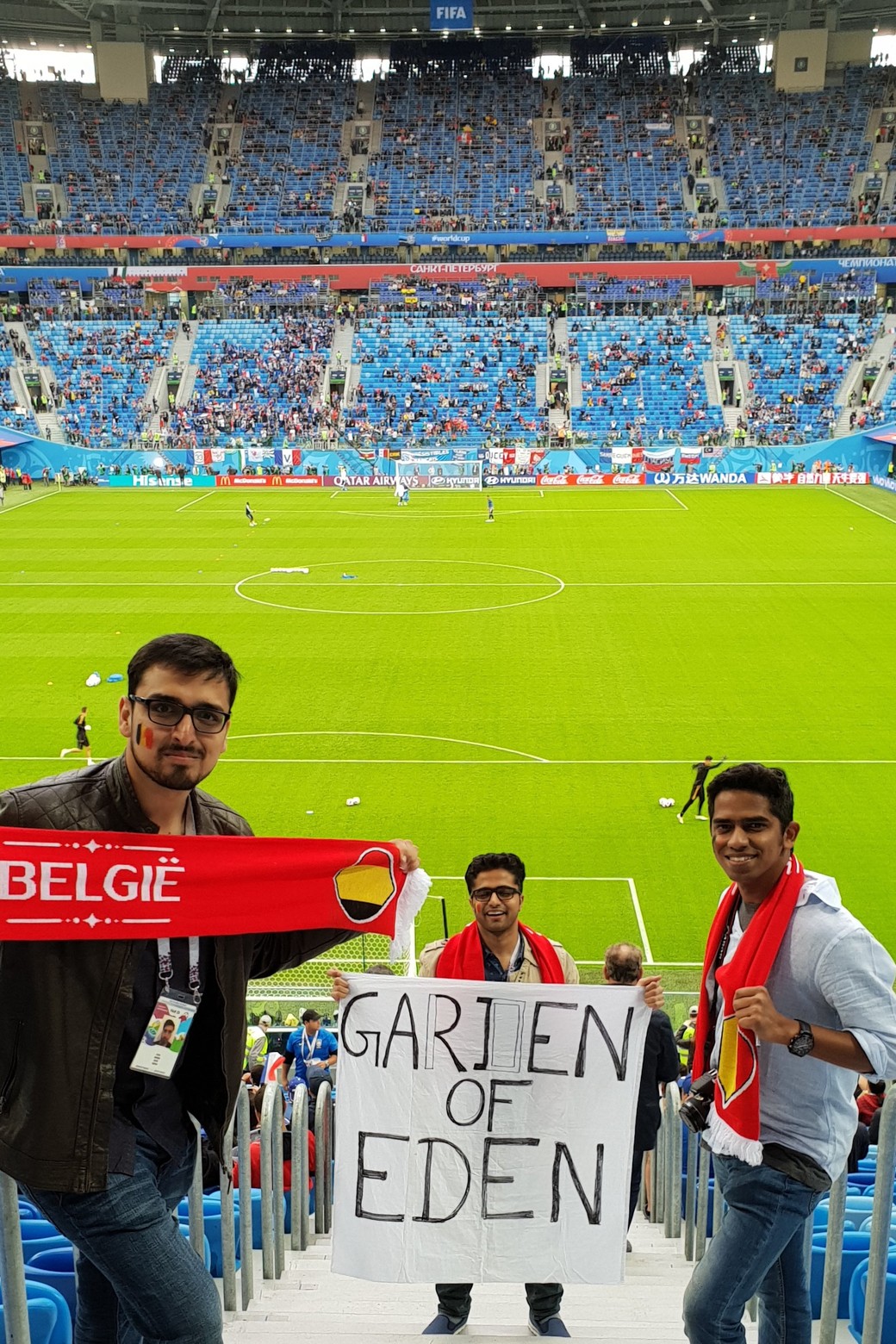
On the side, I'm constantly building. I spent 20 years playing competitive football, traveling to watch the sport at its highest level: the  in Russia, the 2024 EUROs in Germany, and plenty in between. Eventually the competitive energy found a new outlet in distance running. I've been running half marathons since, with a personal best at Oakland, CA in 2026. The obsession got specific enough that I designed and built my own marathon tracking app from scratch: . Solo project, every pixel and line of code (Work in progress).
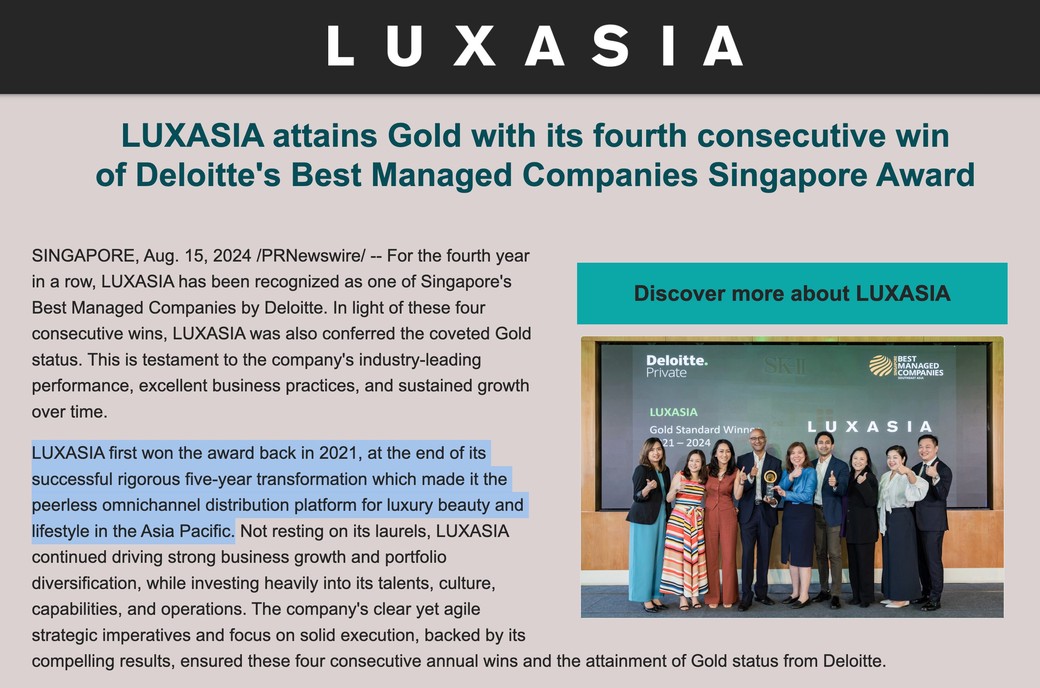
Before Chronicle, I was in Singapore at  , Asia Pacific's #1 luxury company, operating across 15 countries from Singapore to Vietnam, with a portfolio of over 120 brands including Hermès, Dior, Bvlgari, and Chanel. With the Group CEO, I worked on the strategic bets that would define the company's next chapter: luxury ecommerce. Decks were bread and butter. Storytelling was essential to convince.
My career started in strategy. Three years at , working directly with the APAC Chairman. The work was high-stakes but what surprised me was how often the outcome lived or died in the deck. At Luxasia, that pattern intensified. Teams across 15 countries would ask for my slide templates after workshops. My slide library quietly became the unofficial standard across the region. That was the thread I couldn't ignore:  weren't soft skills bolted on at the end. They were how decisions actually got made.
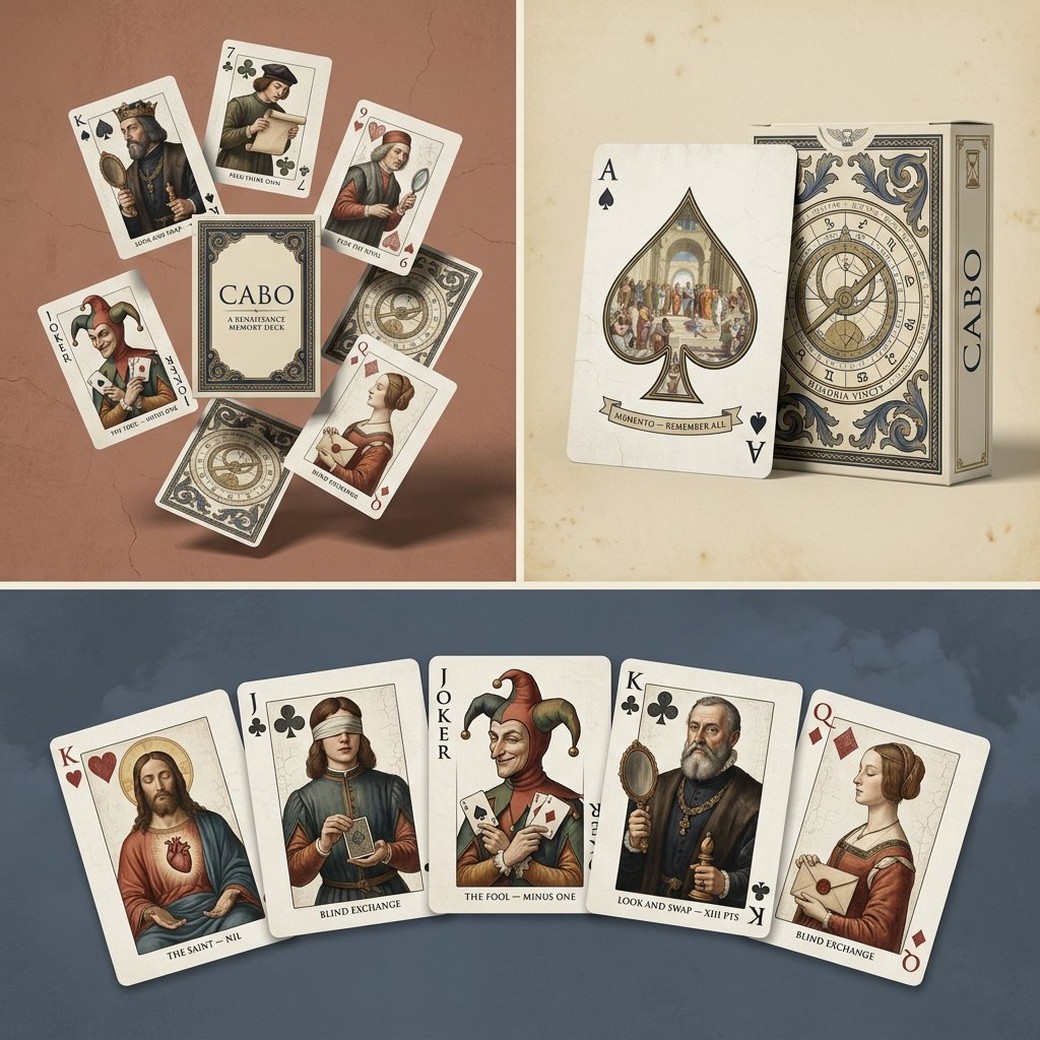
Board games have been my way of building community wherever I've lived. The obsession with board games ran deep enough that I eventually designed my own deck: 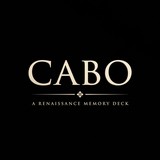 . It started as a side project and turned into a proper design exercise. Typography, color, card weight.
And coffee runs in the family. Generations of my extended family have been in the sugar and coffee business, so the ritual came before the obsession. That familiarity turned into something more intentional over the years: seeking out roasteries across  , geeking out over how different regions approach everything from sourcing to serving. At home, we have a full espresso and drip setup. And I keep a running log plus rating of every spot we visit.
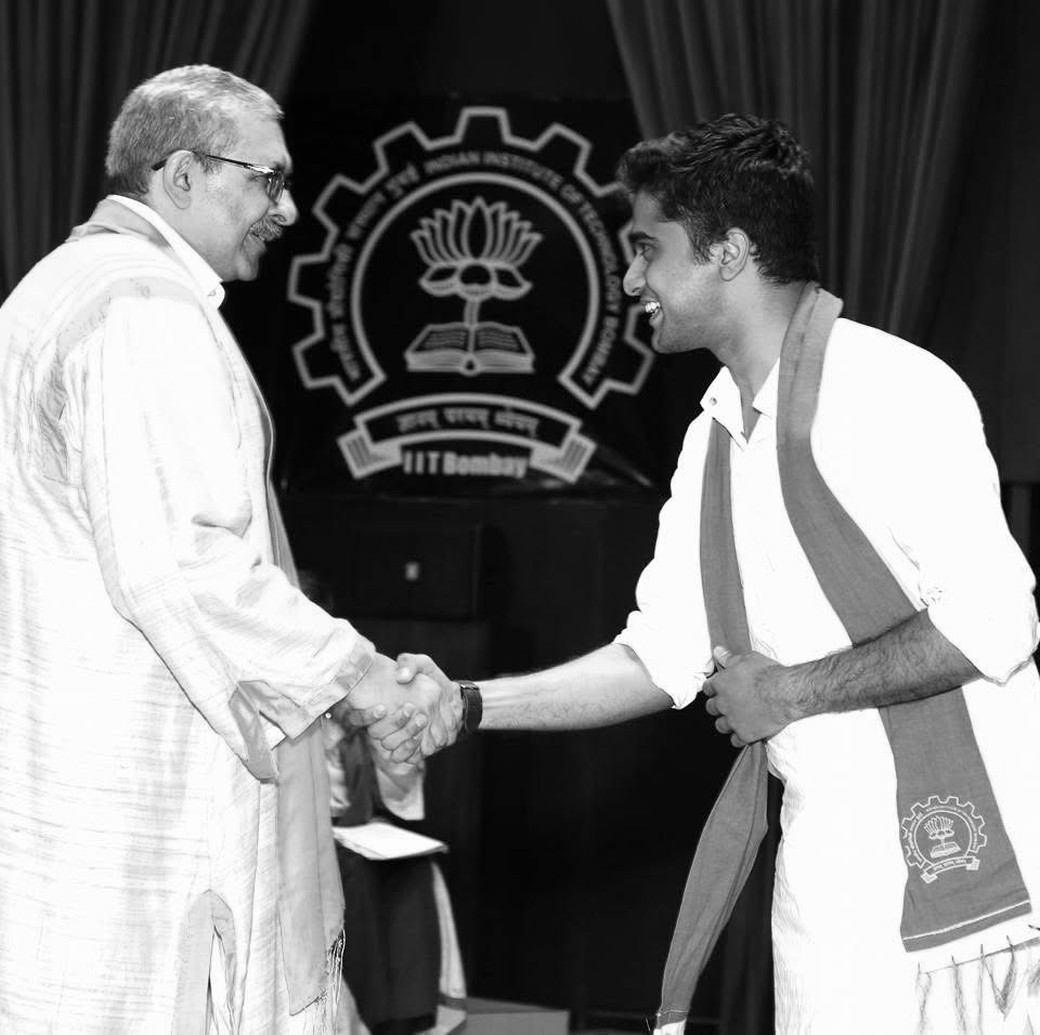
Rewind further:  , where I did a bachelor's in Computational Physics. Simulations and mathematical models by day. Typography, layout, and color theory by night, entirely self-taught. Two worlds that had no reason to overlap. But that intersection, analytical rigour meeting visual instinct, turned out to be the foundation for everything.
At 16, I put design to work for the first time. I built an online store selling . Every seller had access to the same inventory. The difference was the storefront: cleaner design, better visuals, customization that made each purchase feel considered. People paid more and came back because the experience felt a cut above. Same product, different packaging, different result entirely. That lesson has held up for fifteen years: taste is leverage, and the way something is presented changes whether it sells.
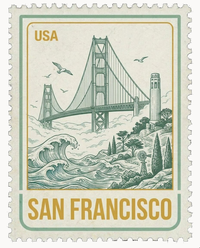
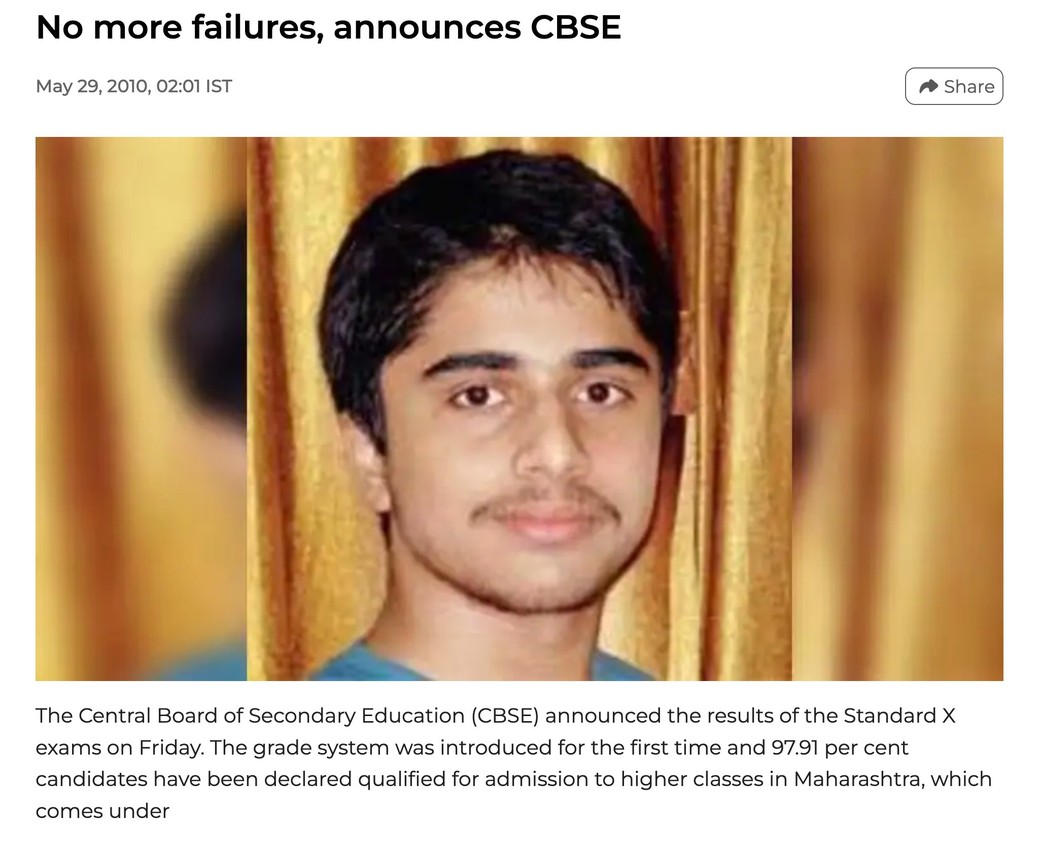
Design showed up before I had a word for it. I collected and and spent more time redrawing them than trading them: studying the colours, the layouts, the craft of a good illustration. That discipline of looking closely spilled into everything, including academics. I placed  in the 10th grade board exams, which made my parents proud and opened doors.
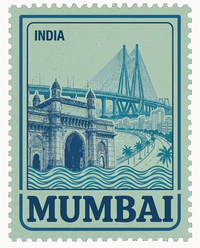
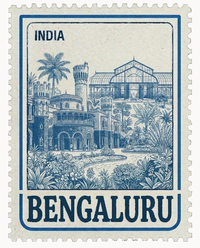
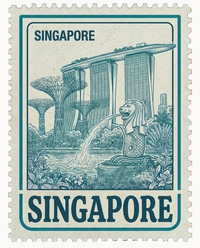
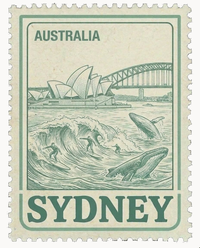
Two decades of living and working across seven cities in six countries later, that instinct still runs the show. Every product I've built, every deck I've designed, every bet I've made on taste over convention traces back to a kid hunched over a stamp collection, trying to figure out why one design felt right and another didn't.